
Large online casino lobbies can make choosing a game harder rather than easier. A practical shortlist begins with the type of experience you want, then narrows the options by format, pace, provider and play style. On the Canadian-facing spinsy casino canada site, browser filters, categories and demo options can help organise that search without treating every title as interchangeable. The aim is not to find a guaranteed winner, but to identify games whose rules, pace and presentation suit your preferences and budget.
Start with the kind of session you want
The most useful first decision is whether you want a simple, fast-moving game or a more involved table experience. Slots are usually easy to enter and offer a wide range of themes, bonus mechanics and volatility profiles. Instant games can feel more direct, while table games place greater emphasis on established rules and decisions. Live dealer titles add a streamed table and presenter, creating a more social format than a standard digital game.
For a short session, a player might begin with instant games, a familiar slot or a single table-game variant. Someone who prefers a slower pace may find blackjack, baccarat or roulette more suitable, particularly when they want time to understand each round. Live categories also extend beyond traditional tables: game shows, poker formats, dice games and international tables provide different levels of interaction and presentation.

It helps to describe your preference in practical terms rather than relying on a title or theme. Ask whether you want frequent small events, occasional larger features, decision-making, a presenter, or minimal reading. This avoids choosing a game simply because it looks attractive. A shortlist of three to five titles is easier to compare than scrolling through thousands of options with no clear reason for selecting any of them.
Use the lobby’s filters before browsing individual titles
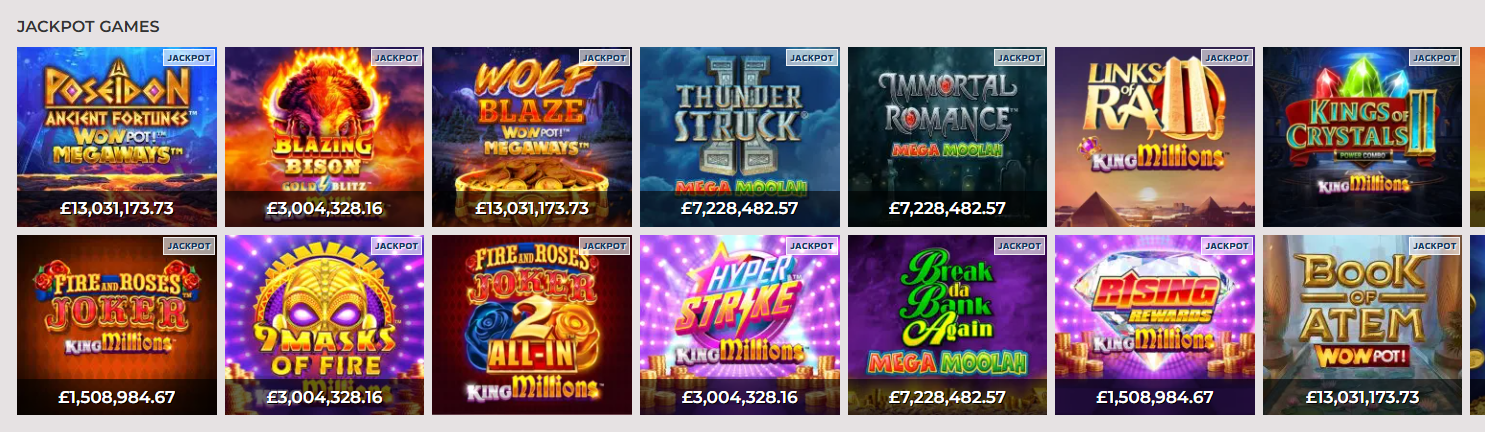
A large catalogue becomes more manageable when you filter by broad category first. The lobby includes sections such as Top, New, Popular, Exclusive, Live Games, Instant Games, Slots, Table Games and jackpots. These labels are useful discovery tools, but they do not mean that every title in a section has the same rules or level of risk. Treat them as filing systems rather than recommendations.
Provider filters can narrow the search further. The catalogue lists studios including Hacksaw Gaming, Amusnet, BGaming, Booongo, Spinomenal, Yggdrasil, Amatic, Oryx, Evoplay and several others. Selecting one provider can help when you recognize a particular visual style or game mechanic. It can also prevent a search from becoming repetitive, since different studios often approach bonus rounds, layouts and pacing in noticeably different ways.
Search is especially helpful when you already know a title, theme or format. Combine a search term with a category filter instead of relying on a general list. For example, someone looking for a live blackjack table can filter for live games before checking individual results. Someone interested in jackpots can begin with that category and then compare the displayed rules, stakes and available features. Always read the individual game information before making a selection.
Compare game mechanics, not just artwork
Visual design can attract attention, but it says little about how a game behaves. Before choosing, check the paytable or information panel for winning combinations, bonus features, special symbols and the way additional rounds are triggered. In a slot, also look for the number of reels and paylines or ways to win. In table games, confirm the exact variant because rules can differ between apparently similar titles.
Volatility is another useful comparison point, although it should not be treated as a prediction. Lower-volatility games may produce more regular outcomes of varying size, while higher-volatility games may produce less frequent but potentially larger outcomes. Neither description guarantees a result. A short demo session can show how controls work and explain features, but it cannot establish a game’s long-term return or make an outcome more likely.
Demo play is therefore best used as a learning tool. Try the interface, inspect the paytable and see whether the pace feels comfortable before considering real-money play. If the rules remain unclear after reading the information panel, choose a simpler title or look for another variant. Understanding a game is more valuable than selecting it because a thumbnail promises excitement, a large jackpot or a dramatic bonus round.
Match the format to your preferred level of involvement
Digital slots and instant games generally require fewer decisions once a round begins, making them suitable for readers who want a straightforward interface. Table games can demand more attention because choices, rules and payouts vary by format. Blackjack may involve decisions about the hand, roulette centres on selections before the spin, and baccarat usually offers a simpler betting structure. The right choice depends on how actively you want to participate.
Live casino adds a different trade-off. A streamed dealer and real-time table can make the session feel more immersive, but the pace may be less flexible than an automated game. The live catalogue includes roulette, blackjack, baccarat and dice, alongside poker, game shows and other table formats. Before joining a table, read its displayed limits and rules, since tables within the same category may not be identical.
Some players may also notice sports, virtual sports and esports areas alongside casino games. Those are separate forms of wagering, not substitutes for casino formats, and they involve their own markets and terminology. Keeping them separate can make game discovery clearer. If you are comparing only casino titles, stay within the casino filters and avoid allowing adjacent sections to influence a decision you have not yet defined.
Make a shortlist that remains comfortable to use
A good shortlist should include the game’s category, provider, format and the reason it appealed to you. Add the key rules, displayed stake range and whether demo play is available. This small record makes comparisons more objective and reduces the temptation to switch constantly because a new image or promotional label catches your attention. It also helps you notice when two games offer nearly identical mechanics.
Set a session budget and time boundary before choosing a title, rather than after an outcome has influenced your mood. Do not treat a jackpot label, tournament, challenge or rewards-shop item as evidence that a game is better value. Promotional activity can change the context of a game, but it does not remove its underlying uncertainty. Read current terms separately if an offer affects your decision.
Finally, keep the shortlist temporary. A title that feels suitable today may not suit another session, and there is no need to continue with a game that becomes confusing, frustrating or too fast-paced. Review the game information, use only funds you can afford to lose and stop when your planned boundary is reached. Discovery works best when it supports deliberate choices rather than endless browsing.
Questions readers often ask about game discovery
Can I try casino games before playing for real money?
Many listed titles support demo play, according to the available site information. Demo mode can help you learn controls, inspect features and decide whether the presentation suits you. It does not prove a game’s long-term return, predict future results or reproduce every condition associated with real-money play.
Which category is best for a beginner?
There is no universally best category. A beginner may find a familiar slot, simple instant game or clearly explained table variant easier to understand than a feature-heavy title. Read the rules first, use demo mode where available and select a format whose pace and decisions feel manageable.
Are provider filters useful when choosing a game?
Yes. Provider filters can reduce a large catalogue and help you compare titles from studios with similar design approaches. They are not quality or winning indicators, however. Use the filter to organise discovery, then assess each game’s rules, features, displayed stakes and suitability independently before choosing.
