

Advancing in Sic Bo seldom involves finding a mystical pattern in three dice https://slotosportcasinos.com. For most UK players, actual advancement stems from comprehending the probability of each wager, controlling a bankroll for the session, and choosing a platform that presents the game honestly. We have observed far too many players view Sic Bo as a mere lottery and then wonder why a small number of high-reward bets depletes their funds. At Slotosport Casino, Sic Bo is placed within a larger online casino and betting selection that includes slots, table games and live dealer options, so the game functions best when it is handled as one part of a managed evening instead of a gamble. The foundation is not a complex system. It is knowing which bets are designed to offer the casino a reduced edge and which bets are crafted to seem exciting but have a significantly larger long-term cost. From that starting point, the remaining improvement work is focused on discipline, timing and utilizing the platform’s responsible gambling tools. We think that a player who understands the arithmetic behind the layout is already well ahead of most of the table, and that advantage accumulates when it is paired with a well-defined plan for each session.
Understand the Bets Before Concentrating on Systems
The Primary Wagers With the Lowest House Edge
Sic Bo employs three dice, and each outcome has 216 potential combinations. The most lenient bets are Small and Big. A Small bet pays out when the three dice reach between 4 and 10, while Big wins on totals between 11 and 17. Crucially, any triple in that range does not win the bet. This rule is what grants the house its edge, because a triple of 2 or 3 can occur in the Small range and a triple of 4 or 5 in the Big range. Even so, the house edge on these bets is around 2.78 per cent in most standard paytables, which is significantly better than many side bets. For every £100 wagered, the expected long-run loss is under £3, though short sessions can and will vary far more. We employ these bets as the backbone of our Sic Bo play, not because they ensure a win, but because they let a session endure long enough to make informed decisions. When we sit down at a table, whether live or digital, we want the bulk of our stake to endure long enough to see the natural rhythm of the game unfold, and Small and Big bets offer exactly that kind of staying power without demanding complex calculations on every roll.
Why High-Payout Bets Typically Cost More
A wager on a particular triple can return 150:1 or 180:1 according to the table, but the true odds of any picked triple are 1 in 216. That gap between payout and probability creates a house edge that can exceed 30 per cent in the less generous https://www.bleacherreport.com/articles/10130851-every-nba-rosters-best-kept-secret-for-2024-25-season version. Single-number bets are less extreme but still bear a higher cost. If a selected number appears once, twice or three times, the payouts may be 1:1, 2:1 and 3:1 in that order, which results in a house edge around 7.87 per cent. Combination bets and total bets lie between these levels, and their edges vary with the paytable. We do not shun these bets totally, but we keep them small and sporadic. A large balance placed on triple bets may appear exciting, but it is arithmetically closer to buying a lottery ticket than to playing a organized table game. Reading the paytable before each session is the fastest way to understand what a bet really costs. We have noticed that many online platforms show the house edge or return-to-player percentage right in the game rules, and taking thirty seconds to review those figures before placing a chip is one of the easiest habits a committed player can build.
In What Manner Combination and Total Bets Fit Into a Reasonable Strategy
Between the poles of Small and Big on one side and certain triples on the other sits a variety of combination and total bets that warrant more consideration than they commonly receive. A combination bet involves any two specific numbers showing on the three dice, and it generally pays 6:1. The true odds of a selected pair showing are slightly better than that, which gives the house an edge about 2.78 per cent on many tables, similar to the Small and Big bets. This makes combination bets a useful tool for introducing variety without drastically raising the long-run cost. Total bets, where a player bets on the exact sum of the three dice, vary more widely. A total of 9 or 12 pays 6:1 with a house edge near 7 per cent, while a total of 8 or 13 pays 8:1 with a like edge. Totals of 4 or 17, however, can pay 50:1 or more but hold edges above 12 per cent. We believe that sticking to the middle-range totals, specifically those between 8 and 13, provides a reasonable compromise between thrill and mathematical fairness. These bets offer us a thing to cheer for on rolls where Small and Big would just push or lose, and they do so without the severe arithmetic of the extreme totals or the triple bets. The key is to adjust them properly, treating them as a addition to the core position rather than a replacement for it.
Select the Best Sic Bo Type and Gaming Site
Not every Sic Bo tables are identical, and the distinctions can significantly affect outcomes over time. Certain online casinos provide Sic Bo with a lower house edge on particular bets as a bonus feature, while others use paytables that subtly increase the casino’s edge. We always check the particular payouts for Small and Big bets, as a table that pays even money on these but excludes the triple exclusion would provide a zero house edge on those bets, however such tables are highly rare. More commonly, we look for tables where the triple bet returns 180:1 as opposed to 150:1, as this slight difference cuts the house edge on that bet by several percentage points. The platform alone matters just as much as the paytable. At Slotosport Casino, the Sic Bo selection sits within a broader environment that features live dealer streams, which we favor because they show the dice being shaken in real time and remove any persistent doubt about random number generation. The live format also decelerates the game down a bit compared to digital versions, which assists with the pacing and budget management we discussed earlier. We look for platforms that present clear game histories without promoting the gambler’s fallacy, and we steer clear of any site that promotes Sic Bo systems or prediction tools as if they constituted proven strategies. A dependable platform shows the game honestly, provides transparent rules, and supplies the responsible gambling tools that enable structured play possible.
Manage Your Session Budget With Defined Boundaries
Budget control in Sic Bo works best when it is decided before the first roll and noted somewhere visible. We define a loss limit that indicates the maximum we are prepared to spend for the evening’s amusement, and we establish a win target that triggers a mandatory break or cash-out. These numbers are subjective and should represent disposable income, not rent money or funds needed for essentials. A common structure we use is to split the session bankroll into twenty to thirty base units, with each unit corresponding to one Small or Big bet. If the bankroll is £200, a unit might be £10, giving us twenty bets before the session ends naturally. This pacing is important because Sic Bo can progress quickly, especially in online formats where a new round starts every minute or less. Without a unit structure, it is easy to burn through a budget in ten minutes and depart the table feeling cheated when the real problem was a lack of planning. We also suggest setting a time limit alongside the monetary one. A ninety-minute session with a clear endpoint has a tendency to produce better decisions than an open-ended session that extends late into the night when fatigue begins to erode judgement. The platform’s responsible gambling tools, including deposit limits and reality checks, are genuinely useful here and we treat them as part of the strategy rather than an afterthought.
Recognise When to Step Away From the Table
Knowing when to stop is a skill that separates disciplined players from those who hand back their winnings and then some. We set two triggers for ending a session. The first is the financial boundary we defined before playing, whether that is a loss limit or a win target, and we regard that boundary as non-negotiable. The second trigger is emotional. If we notice that a losing streak is causing frustration, or that a winning streak is creating a sense of invincibility, we take a fifteen-minute break and reassess. Sic Bo is a game of pure chance, and emotional states do not influence the dice, but they absolutely influence the quality of our decisions about bet sizing and risk. A player who is angry about a loss is more likely to put a large triple bet in an attempt to recover quickly, and a player who feels unbeatable is more likely to abandon the structured approach that produced the winning session in the first place. We have discovered to watch for these internal signals and to act on them before they lead to decisions we will regret. The goal of improving at Sic Bo is not to win every session, because that is mathematically impossible over a long enough timeline. The goal is to guarantee that the sessions we play are enjoyable, affordable, and free of the kind of impulsive mistakes that turn a reasonable evening into an expensive one. Stepping away at the right moment is the final and most important part of any strategy we create.
Advancing in Sic Bo boils down to a handful of practical steps that anyone can implement before the upcoming session begins. Understand the built-in edge on each wager type and construct the core of your play around Small, the Big bet, and the higher-value combination wagers. Define a spending limit with specific bet amounts and session limits, and treat those limits as rigorously as you would honor a contract. Pick a casino that shows its paytables transparently and features live dealer feeds if you prefer the clarity of real dice. Utilize free play to experiment with ideas and gain comfort without financial pressure, and build the discipline to quit when the outcomes or your feelings tell you the game session has played out. Nothing here requires chance or special talent, and no aspect of it guarantees sure victories. What it delivers is a system that preserves the activity enjoyable, maintains the setbacks within intended boundaries, and offers you the best possible chance of leaving the table pleased with the way you played. That is the true gauge of improvement in a pursuit controlled completely by randomness, and it is an achievement that all Sic Bo players can reach with a little forethought and a substantial amount of candor about what the dice are and are not capable of.
Create a Structured Betting Approach Free From Chasing Patterns
There is no wagering system that changes the odds of three dice. Martingale-style progressions may recover a loss in the short term, but they also pose the risk of very large losing runs that surpass table limits or a player’s comfort. What a structured approach accomplishes is minimize the chance that emotion controls. We tend to keep most of our stake on Small or Big and avoid switching sides after every roll. If we choose to add a riskier bet, we treat it as a fixed cost for entertainment and keep it to a fraction of the base stake. The dice do not know whether the last five results were Big, and neither do the live dealers or the random number generator. A run of identical outcomes is part of normal variance, not an indication to double down or switch strategy. We have watched players at live Sic Bo tables persuade themselves that a streak of Small results means Big is overdue, and we have witnessed those same players lose several consecutive bets when the streak continues longer than their balance can handle. The mathematics of independent trials is relentless on this point. Each roll of three dice is a fresh event with exactly the same probabilities as the roll before it, and no level of record-keeping or pattern recognition modifies that fundamental truth. Embracing this reality is liberating because it frees us from the pressure of trying to predict the unpredictable and lets us to focus on the elements of the game we can actually control.
Employ Practice Sessions to Experiment with Ideas Free of Risk
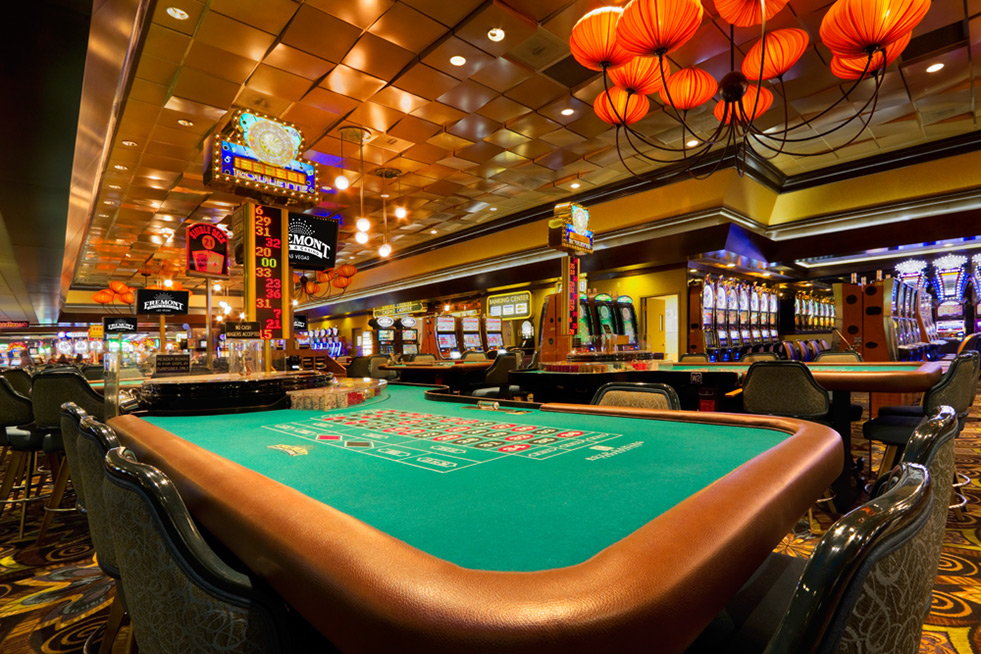
Most online casinos provide a free-play or demo mode for Sic Bo, and we regard this one of the most underused resources on offer to players who wish to improve. A practice session lets us test a new bet mix, experiment with different unit sizes, or simply watch how often certain totals appear over a few hundred rolls without spending real money. We recommend running at least two hundred practice rolls before committing any real funds to a strategy that departs from the basic Small and Big approach. Two hundred rolls is enough to see several triple outcomes, a handful of extreme totals, and plenty of the normal variance that can damage a player’s confidence if it is encountered for the first time with real money on the line. During these practice sessions, we keep a simple tally of wins and losses by bet type, which provides us with a rough sense of how the session might feel in live play. The emotional experience is different when real money is at stake, of course, but the mechanical familiarity gained in practice mode lowers the cognitive load during actual sessions. We also utilize practice mode to learn the interface of a new platform before depositing, because fumbling with chip placement or accidentally betting on the wrong section of the layout is a frustrating way to lose money. The time spent in demo mode is an investment in competence, and it requires nothing beyond a few minutes of attention.
